HOPE SQUAD
December 1, 2023A long time ago, one of my best friends took his own life. Fast forward 30 years and I was confronted by a series of deaths by suicide of current and former students as the Superintendent of the Elmbrook Schools. In response to these unthinkable tragedies, we formed a coalition of passionate educators, students, parents and community members who were resolved to take action and prioritize the mental health needs of our students and community.
 Our high schools, Brookfield Central and Brookfield East, established Wisconsin’s first two HOPE Squad chapters, a national peer-to-peer suicide prevention program. More often than adults, kids in crises talk to kids and having trained students who know when and how to get help is vital for the wellbeing of the student in crisis and the peer. The impact of our high school programs have inspired HOPE Squad chapters across the state, including our two middle schools. Additionally, Hope Squad members from our high schools were instrumental in helping pass Wisconsin Act 83 which provides funding support for peer-to-peer programs in Wisconsin schools.
The de-stigmatization of mental health education for students and staff has been our greatest challenge, but one we have wholeheartedly embraced. Efforts have included new curriculum and resources, staff training, school assemblies, parent communication, no-homework school calendar breaks, and prioritizing mental health resource needs during our budget process. Often overlooked, we have been intentional in our messaging to staff about their own mental health needs, as we know the difficulties of caring for others if we do not take care of ourselves.
Finally, we have expanded our approach to analyzing real-time student achievement data. What traditionally has yielded targeted academic interventions now could result in a mental health assessment or check-in as a possible response to a decline in academic performance. Additionally, by providing on-site resources, support groups, and by establishing a network of expert community providers we are able to help students address their mental health needs so that they can be at their best in the classroom.
 Every day I have the opportunity to walk the halls of our schools and know why the work that we do matters. Thank you to the Kubly Foundation’s network of resources for your shared commitment to meeting the needs of our students and communities – your work is truly life-saving.
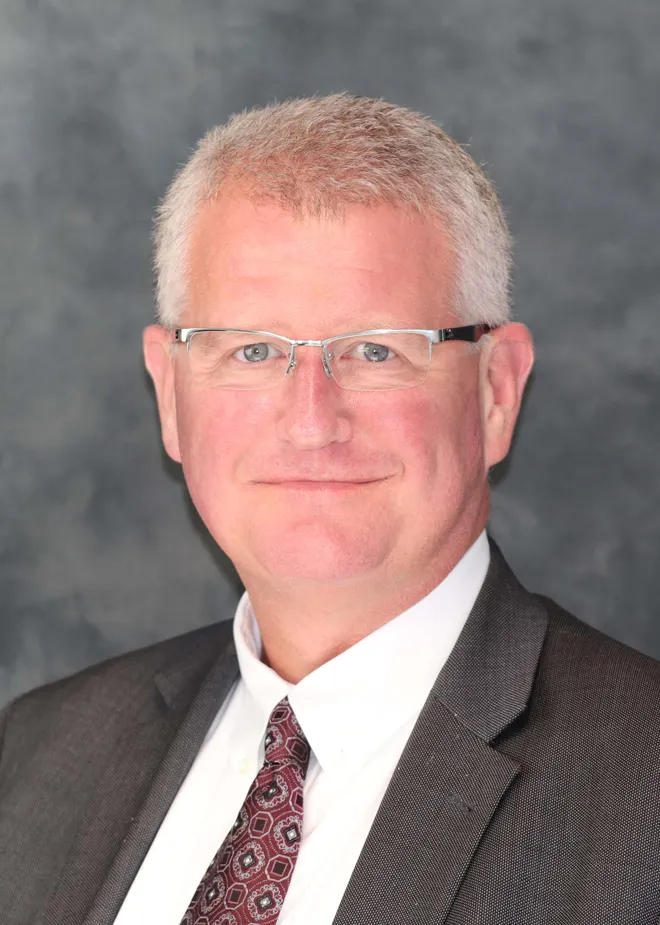
Mark Hansen, Superintendent